 |
 |
 |
|
Challenges Faced By New Immigrants
Discrimination
New immigrants in Canada were presented with the challenge of discrimination at many levels. Immigrants were discriminated against by ordinary Canadian citizens who were prejudiced against immigrants’ foreign languages, manners, and customs. Labour agencies and employers discriminated against immigrants by forcing them to work difficult jobs at low wages in poor conditions because they were desperate for an income and they were unaware of their right to be treated fairly. Federal and provincial governments were also discriminatory in their immigration policies.
| Discrimination was prevalent throughout western Canada in the period prior to the First World War. Ordinary citizens discriminated against immigrants based on race, religion, language, and traditions. Ukrainians, particularly those living in urban areas, were called names and mocked by those who were different from them. African-Americans shared a similar experience. Mormons, Mennonites, Doukhobors, and Jews were all persecuted against for their religious beliefs, simply because they differed from the norm. | 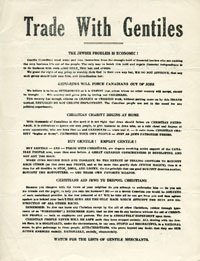 |
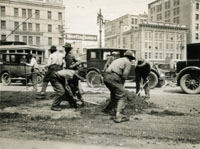
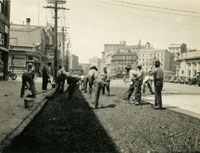
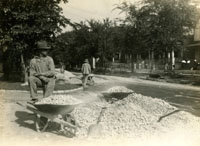
| Labour agencies discriminated against immigrants, as did those who employed them. Labour agencies forced immigrants to pay high service fees. Employers gave immigrants low wages and forced them to work in dangerously deplorable working conditions. Non-immigrant Canadians could work the same job but would receive higher wages and better treatment. Labour agencies even discriminated against which immigrants they would take on as clients. While they would readily accept Italians and Poles as contractual labourers, they would not grant the same opportunities to Chinese immigrants. | ||
 |
 |
 |
The
federal and provincial governments’ immigration policies were
discriminatory, especially towards Asian immigrants. The Canadian
government imposed excessive head taxes on Chinese and Japanese immigrants
who wished to come to Canada. They even worked out agreements with
the governments of their homelands to make it increasingly difficult
for anyone to emigrate. Provincial governments, such as the one in
British Columbia, compounded these discriminatory regulations with
those of their own, such as barring Chinese immigrants from working
in certain industries.


