 |
 |
 |
|
Challenges Faced By New Immigrants
New Customs and Politics
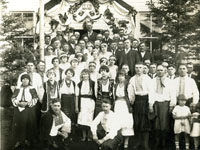
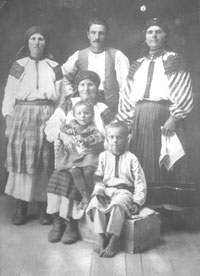
| Immigrants who came to Canada prior to the First World War brought with them customs that were new to many Canadians. Today we know that the customs of various ethnic groups in Canada contribute to Canadian culture and society and they are welcomed. But it was not always this way. Many Canadians did not understand these new customs and felt threatened by them. Many feared that these new customs would replace the more traditional French and English ones. This attitude was reinforced by governments at all levels in Canada. | ||
 |
 |
 |
| Several nationalities immigrated to Canada and sought to live in block settlements or communes where they would live with only one another in isolated communities and would not permit any outside influences to infiltrate their group. Mennonites, Icelanders, and Doukhobors were all granted this right by the Canadian government. However, the government would soon go back on its promise when this lifestyle began to be ridiculed by native-born Canadian citizens. They urged the government to force these groups to live like everyone else. As a result, a few ethnic groups, such as some Mennonites and Doukhobors, packed up and moved elsewhere where they could live that type of lifestyle. Others abandoned some of the customs that were offensive to other Canadians and adopted a few Canadian customs that would allow them to assimilate into Canadian society. | 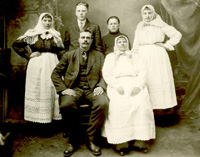 |
|
 |
||
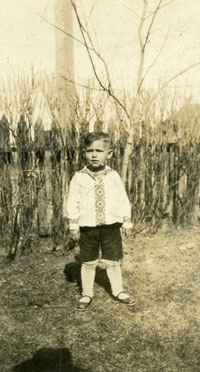
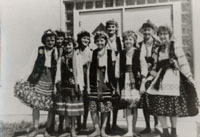
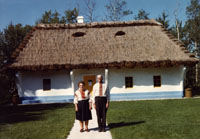
| Many ethnic groups decided to adopt western traditions and customs, such as their way of dress, so that they could blend into Canadian society more easily. Some Ukrainian leaders urged immigrants to do so in order to ease in their assimilation which in turn would make their immigration experience much more tolerable. Thankfully, many ethnic groups were able to find a balance whereby they retained many of their own unique traditions and customs and adopted many other more traditionally Canadian customs established by the French and English. It is this balance that makes Canada the unique cultural mosaic that it is today. | ||
 |
 |
 |


